
Well-Known Boston Art Collector Killed in Pedestrian Hit-and-Run Crash
A driver faced charges this Monday for his involvement in a fatal hit-and-run accident that claimed the life of a well-known Boston art collector and his dog, as reported on by WCVB 5. John Axelrod was a longtime donor to the Museum of Fine Arts who was also named an honorary advisor. The museum even named a gallery after Axelrod in 2009, titled the John Axelrod Gallery in the Art of the Americas Wing. Axelrod was walking his terrier when he was struck by a vehicle last Saturday near Commonwealth Avenue and Hereford Street. Police later arrested the perpetrator, who prosecutors allege intentionally drove into the Commonwealth Avenue Mall and struck the pair before fleeing.
This Boston hit-and-run pedestrian crash underscores how devastating the consequences can be when a driver strikes a person on foot and flees the scene. Pedestrians are especially vulnerable in urban areas, where even a single moment of reckless or intentional behavior can lead to irreversible loss. When a hit-and-run occurs, a thorough investigation becomes essential to determine exactly what happened, identify responsible parties, and ensure accountability. At Harrington & Harrington, we understand the profound impact pedestrian crashes have on families and the community, and we are dedicated to providing compassionate guidance while helping victims pursue justice and meaningful relief. If you or a loved one has been affected by a Boston hit-and-run pedestrian crash, call us today at (617) 227-1795.
Why Legal Support Matters After a Boston Pedestrian Hit-and-Run Crash
After a Boston pedestrian hit-and-run crash, having experienced legal support is critical, and at Harrington & Harrington, we’re committed to protecting the rights of injured pedestrians and grieving families. Hit-and-run cases often involve complex investigations, unanswered questions, and insurance challenges that can feel overwhelming without guidance. We help preserve evidence, work with investigators, and handle communications with insurance companies to prevent victims from being taken advantage of during an already difficult time. Our goal is to provide clarity and stability while holding responsible parties accountable.
At Harrington & Harrington, we understand the emotional, physical, and financial toll a pedestrian hit-and-run crash can cause. We take a personalized approach to every case, keeping our clients informed and supported at each step of the process. From evaluating liability to pursuing compensation that reflects the full impact of the injuries or loss, we stand beside you with compassion and determination. We act quickly to protect critical evidence and ensure important deadlines are met, recognizing how time-sensitive these cases can be. Our team handles all communication with insurance companies and opposing parties so you are not burdened during an already overwhelming period. When you work with us, you gain a legal team that is focused on your recovery and committed to seeking justice on your behalf.
What to Know After a Boston Pedestrian Hit-and-Run Crash
A pedestrian hit-and-run crash can leave victims and families feeling shocked, overwhelmed, and uncertain about what comes next. After a Boston pedestrian hit-and-run crash, the absence of an at-fault driver often complicates medical, legal, and insurance matters. Because pedestrians face little physical protection, injuries are frequently severe or life-altering. Therefore, understanding key information early can help protect both health and legal rights. Clear knowledge provides stability during a deeply stressful time.
Hit-and-Run Crashes Are Treated as Serious Crimes in Massachusetts
Massachusetts law treats hit-and-run crashes involving pedestrians as serious criminal offenses. Drivers have a legal duty to stop, provide information, and render assistance after striking someone. When a driver flees the scene, they may face significant criminal penalties. These charges often run parallel to civil injury claims. Law enforcement investigations play a critical role in accountability.
Criminal Charges and Ongoing Investigations
Police often prioritize hit-and-run investigations due to the severity of harm involved. Officers may review surveillance footage, traffic cameras, and witness statements. Investigations can take time, especially in busy urban areas. However, continued police efforts may lead to identification of the driver. Victims should remain informed throughout this process.
Medical Care Remains Critical Even When the Driver Flees
Medical attention should always be the top priority after a pedestrian crash. Injuries such as head trauma or internal bleeding may not be immediately visible. Adrenaline can mask pain in the hours following impact. Prompt medical care protects health and creates important documentation. These records become essential later.
Delayed Symptoms Are Common After Pedestrian Crashes
Many pedestrian injuries worsen hours or days after the crash. Headaches, dizziness, and mobility issues often develop gradually. Ignoring early warning signs can lead to serious complications. Follow-up care helps identify hidden injuries. Consistent treatment supports recovery and documentation.
Evidence Collection Becomes Especially Important
When a driver flees, evidence becomes one of the most valuable tools available. Photographs, witness accounts, and police reports help establish what occurred. Over time, physical evidence may disappear and memories may fade. Acting quickly strengthens future claims. Documentation provides clarity.
Witness Statements and Video Footage
Witnesses may recall vehicle descriptions or driver behavior. Nearby businesses or residences may have surveillance cameras. Traffic cameras often capture crucial details. Identifying these sources early increases their usefulness. Preservation matters greatly.
Insurance Coverage Plays a Key Role in Recovery
Without an identified driver, insurance coverage often becomes the primary recovery source. Uninsured motorist coverage may apply in these situations. However, insurance companies often scrutinize hit-and-run claims closely. Understanding policy terms helps avoid delays. Careful handling protects benefits.
Avoid Giving Recorded Statements Too Quickly
Insurance companies may request recorded statements shortly after the crash. At that time, injuries and facts may still be unclear. Inaccurate statements can complicate claims. Providing limited information initially helps protect your position. Caution remains important.
Legal Deadlines and Rights Still Apply
Even when a driver is not immediately identified, legal deadlines still apply. Massachusetts law sets time limits for injury and wrongful death claims. Missing these deadlines may limit recovery options. Early awareness helps preserve rights. Acting promptly protects future claims.
Why Early Legal Guidance Matters
Legal guidance can help victims understand their options after a Boston pedestrian hit-and-run crash. Attorneys can explain rights, deadlines, and insurance issues clearly. Early support prevents costly mistakes. Knowledge empowers informed decisions. Guidance brings clarity.
Emotional Impact Should Not Be Overlooked
Pedestrian hit-and-run crashes often cause lasting emotional trauma. Fear, anxiety, and grief may persist long after physical injuries heal. Families may struggle with unanswered questions and sudden loss. Emotional recovery deserves attention and support. Healing involves more than physical care.
Support Systems and Resources
Counseling and support groups may help victims and families cope. Emotional well-being affects overall recovery. Seeking help does not signal weakness. Support provides strength during difficult moments. Compassion matters.
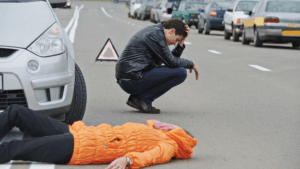
Steps to Take After a Boston Pedestrian Hit-and-Run Crash
A pedestrian hit-and-run crash can leave victims injured, frightened, and unsure how to respond. After a Boston pedestrian hit-and-run crash, the actions taken immediately afterward can strongly affect physical recovery and legal options. Since the driver has fled the scene, gathering information and protecting rights becomes even more important. Therefore, knowing the proper steps helps victims and families regain control during a chaotic situation. A clear plan can provide guidance when emotions run high.
Seek Immediate Medical Attention
Medical care should always be the first priority after a pedestrian hit-and-run crash. Even if injuries appear minor, serious conditions may not show symptoms right away. Head trauma, internal bleeding, and fractures often worsen without prompt treatment. Seeking immediate medical care protects health and safety. Medical records also create vital documentation linking injuries to the crash.
Follow All Medical Instructions and Appointments
After initial treatment, continuing medical care remains essential. Skipping follow-up visits or ignoring restrictions may delay recovery. Insurance companies often review treatment consistency carefully. Ongoing care helps document injury severity and duration. These records support future claims.
Call Law Enforcement and Ensure a Police Report Is Filed
Contacting law enforcement after a Boston pedestrian hit-and-run crash is critical. Police officers document the scene and begin searching for the fleeing driver. The police report often becomes a key piece of evidence. Without it, insurance and legal claims may face challenges. Always request a copy of the report.
Provide Clear and Accurate Information
When speaking with officers, share factual details without speculation. Stress and shock can affect memory immediately after the crash. Stick to what you clearly observed and experienced. Avoid guessing about speed or intent. Accurate reporting supports a reliable investigation.
Gather Evidence if Your Condition Allows
If you are physically able, gathering evidence at the scene can be helpful. Photographs of the roadway, injuries, and surroundings preserve important details. Skid marks, debris, and traffic signals may matter. Evidence can disappear quickly in busy Boston areas. Acting promptly strengthens future claims.
Identify Witnesses and Nearby Cameras
Witnesses may have seen the vehicle or driver flee the scene. Nearby businesses or residences may have surveillance cameras. Traffic cameras may also capture key details. Collect names and contact information when possible. Early identification increases evidence availability.
Notify Your Insurance Company Carefully
Reporting the crash to your insurance company is necessary. However, insurers often begin investigating immediately. Provide basic information without detailed recorded statements right away. Avoid discussing fault or injury severity prematurely. A cautious approach helps protect your interests.
Do Not Accept Early Settlement Offers
Insurance companies may offer quick settlements after pedestrian crashes. These offers often fail to reflect long-term medical or emotional needs. Once accepted, additional compensation is usually unavailable. Allowing time for injuries to stabilize protects future recovery. Patience often leads to fairer outcomes.
Preserve All Records and Documentation
Keeping organized records helps reduce stress later. Save medical bills, correspondence, and expense receipts. Documentation creates a clear timeline of events and costs. Disorganized records can delay claims. Careful organization supports smoother resolution.
Track Physical and Emotional Symptoms
Some injuries and emotional effects develop over time. Keeping notes about pain, mobility limits, and anxiety can be helpful. These details may not appear in medical charts. Personal records help explain daily challenges. Clear documentation strengthens claims.
Consider Speaking With an Experienced Pedestrian Accident Lawyer
Legal guidance can provide clarity after a Boston pedestrian hit-and-run crash. An attorney can explain rights and handle insurance communications. Legal support also ensures deadlines are met properly. Understanding options early prevents costly mistakes. Guidance allows focus on healing.
Act Before Legal Deadlines Apply
Massachusetts law sets strict deadlines for injury and wrongful death claims. Missing these deadlines may limit recovery options. Early action helps preserve evidence and protect rights. Legal assistance ensures compliance with requirements. Timely steps support stronger outcomes.
Civil vs Criminal Liability in a Boston Pedestrian Hit-and-Run Crash
A hit-and-run pedestrian crash often triggers both criminal and civil legal processes. After a Boston pedestrian hit-and-run crash, families may feel confused about how these two systems differ and interact. Although both forms of liability address wrongdoing, they serve different purposes and follow different rules. Therefore, understanding civil versus criminal liability helps victims and families know what to expect. Clarity can reduce uncertainty during an already overwhelming time.
Criminal Liability in a Boston Pedestrian Hit-and-Run Crash
Criminal liability focuses on punishing unlawful behavior and protecting public safety. In Massachusetts, leaving the scene after striking a pedestrian is a serious criminal offense. Prosecutors pursue these cases on behalf of the state, not the victim. Penalties may include incarceration, fines, and license suspension. Criminal cases aim to hold drivers accountable for violating the law.
Charges Commonly Filed in Hit-and-Run Cases
Drivers may face charges such as leaving the scene causing injury or death. Additional charges may apply if the conduct was reckless or intentional. Prosecutors rely on police investigations and evidence to file charges. Victims do not control whether charges proceed. The state manages the criminal case.
Burden of Proof in Criminal Court
Criminal cases require proof beyond a reasonable doubt. This is the highest legal standard in the justice system. Prosecutors must prove the defendant committed the crime intentionally or knowingly. If this standard is not met, charges may fail. Criminal outcomes do not determine civil rights automatically.
Civil Liability in a Boston Pedestrian Hit-and-Run Crash
Civil liability focuses on compensating victims rather than punishing offenders. Injured pedestrians or families may bring civil claims against responsible parties. These claims seek financial compensation for injuries, losses, and suffering. Civil cases proceed independently of criminal charges. Victims have greater control over civil actions.
Purpose of Civil Claims for Victims
Civil claims aim to restore financial stability after serious harm. Compensation may cover medical expenses, lost income, and emotional distress. Families may also pursue wrongful death damages. Civil cases recognize the personal impact of the crash. Recovery helps victims rebuild their lives.
Lower Burden of Proof in Civil Court
Civil cases require proof by a preponderance of the evidence. This means showing responsibility is more likely than not. The standard is lower than criminal court requirements. As a result, civil claims may succeed even when criminal cases fail. Evidence still plays a critical role.
How Criminal and Civil Cases Can Overlap
Criminal and civil cases often proceed at the same time. Evidence gathered in criminal investigations may support civil claims. Police reports and witness statements often play dual roles. However, timelines and outcomes may differ. One case does not automatically decide the other.
Impact of Criminal Convictions on Civil Claims
A criminal conviction may strengthen a civil case significantly. Guilty findings can help establish fault. However, civil claims do not require criminal convictions. Civil rights remain independent. Victims should not wait for criminal resolution to explore civil options.
Why Civil Claims Remain Important Even After Criminal Charges
Criminal penalties do not compensate victims financially. Fines and incarceration benefit the public, not injured families. Civil claims address personal losses and long-term needs. Medical bills and lost income require direct solutions. Civil recovery remains essential for healing.
Time Limits and Legal Deadlines
Massachusetts law imposes deadlines for civil injury and wrongful death claims. Criminal cases do not pause these deadlines automatically. Missing civil deadlines may eliminate recovery options. Early awareness protects rights. Timely action remains critical.
Understanding Both Paths Helps Victims Make Informed Decisions
Knowing the difference between civil and criminal liability empowers victims. Each system serves a different role after a hit-and-run crash. Criminal cases address public wrongdoing. Civil cases focus on personal recovery. Understanding both paths helps families move forward with confidence.
Compensation Available After a Boston Pedestrian Hit-and-Run Crash
A pedestrian hit-and-run crash often creates overwhelming financial and emotional strain for victims and families. After a Boston pedestrian hit-and-run crash, compensation can help address medical costs, lost income, and long-term recovery needs. Because the at-fault driver may be unknown, recovery often depends on insurance coverage and civil claims. Therefore, understanding available compensation helps victims plan for stability. A complete claim should reflect every loss caused by the crash.
Medical Expenses and Ongoing Treatment Costs
Medical expenses usually begin immediately after a pedestrian crash. Emergency care, hospital stays, surgeries, and diagnostic tests can become costly quickly. Many victims also require follow-up treatment, rehabilitation, or specialist care. These expenses may continue for months or years. Compensation should include both current and future medical needs.
Long-Term Medical Care and Rehabilitation
Some pedestrian injuries require extended or lifelong treatment. Traumatic brain injuries and spinal damage often involve ongoing care plans. Estimating future medical costs requires careful evaluation. Without documentation, insurers may undervalue these needs. Planning ahead protects financial security.
Lost Wages and Reduced Earning Capacity
A Boston pedestrian hit-and-run crash may prevent victims from returning to work right away. Missed wages can create immediate financial pressure. In severe cases, injuries may permanently limit employment options. Reduced earning capacity affects long-term financial stability. Compensation should reflect both temporary and lasting income losses.
Employment Disruptions and Career Impact
Extended recovery periods may require reduced hours or job modifications. Some victims may need to change careers due to physical limitations. These disruptions affect income growth and job security. Documenting employment impacts strengthens claims. Clear records help demonstrate losses.
Pain, Suffering, and Emotional Distress
Pedestrian crashes often cause significant physical pain and emotional trauma. Victims may experience chronic discomfort, anxiety, or depression. These effects can interfere with daily life and relationships. Although difficult to quantify, they represent real harm. Compensation should reflect these experiences.
Impact on Quality of Life
Injuries may limit independence and enjoyment of daily activities. Simple tasks may become painful or challenging. Over time, these limitations affect emotional well-being. Describing these changes helps convey severity. A full claim reflects real-life impact.
Funeral and Burial Expenses in Fatal Crashes
When a Boston pedestrian hit-and-run crash results in death, families may seek compensation for funeral costs. Burial and memorial expenses can be significant. These costs add financial stress during a time of grief. Compensation may help ease this burden. Support matters during loss.
Loss of Companionship and Support
Families may also recover damages for loss of companionship and guidance. The absence of a loved one affects daily life profoundly. Emotional and relational losses deserve recognition. Civil claims acknowledge this impact. Accountability supports healing.
Property Damage and Out-of-Pocket Expenses
Personal property often suffers damage during pedestrian crashes. Clothing, phones, and assistive devices may be destroyed. Victims may also incur transportation and medical-related expenses. These costs add up quickly. Compensation may cover these losses.
Ongoing Daily Living Costs
Injuries may require home modifications or mobility assistance. Transportation to medical appointments may create additional expenses. These costs often continue throughout recovery. Including them strengthens claims. Attention to detail matters.
Uninsured Motorist Coverage and Insurance Recovery
When the driver remains unidentified, uninsured motorist coverage often applies. This coverage may help pay medical bills and lost income. However, insurers often scrutinize these claims closely. Understanding policy terms helps avoid delays. Careful handling protects benefits.
Importance of a Thorough Compensation Review
Every pedestrian hit-and-run crash presents unique losses. Overlooking damages can significantly limit recovery. A thorough review ensures all losses receive consideration. Preparation supports fair compensation. Comprehensive evaluation protects long-term stability.
What Lawyers Do to Help After a Boston Pedestrian Hit-and-Run Crash
A pedestrian hit-and-run crash often leaves victims and families facing confusion, fear, and unanswered questions. After a Boston pedestrian hit-and-run crash, lawyers step in to provide structure, guidance, and protection during a difficult time. Because the driver may be unknown or uninsured, these cases involve added complexity. Therefore, legal support focuses on investigation, insurance strategy, and rights protection. Comprehensive assistance helps victims focus on healing.
Investigating the Crash and Preserving Evidence
Lawyers begin by investigating how the hit-and-run occurred and what evidence exists. They review police reports, scene photographs, and emergency response records. Early investigation helps prevent loss of time-sensitive evidence. Prompt action strengthens the factual foundation of the case. Thorough review supports accountability.
Identifying Witnesses and Video Footage
Attorneys work to locate witnesses who may recall vehicle details or driver behavior. They also seek surveillance and traffic camera footage from nearby locations. Video evidence can clarify timing, direction, and impact. Early requests increase the likelihood of recovery. Preservation is essential.
Coordinating With Law Enforcement and Experts
Lawyers often coordinate with police during ongoing investigations. They track updates and obtain supplemental reports when available. In complex cases, attorneys consult accident reconstruction or forensic experts. Expert insight helps explain how the crash occurred. Professional analysis adds credibility.
Reviewing Forensic and Physical Evidence
Attorneys assess skid marks, debris patterns, and vehicle damage when applicable. These details help establish speed and direction. Forensic review supports causation arguments. Accurate interpretation matters. Evidence-based conclusions strengthen claims.
Managing Insurance Claims and Coverage Issues
Insurance issues often dominate hit-and-run cases. Lawyers review uninsured and underinsured motorist coverage carefully. They handle communications with insurers to avoid misstatements. Strategic handling prevents delays and denials. Advocacy protects available benefits.
Responding to Insurance Tactics
Insurers may request recorded statements or push early settlements. Lawyers advise clients on appropriate responses. They challenge unfair denials and undervaluation. Persistent advocacy promotes fair treatment. Protection remains a priority.
Documenting Injuries and Losses
Lawyers help organize medical records and treatment timelines. They connect injuries directly to the crash through documentation. Accurate records demonstrate severity and duration. Clear presentation supports compensation. Organization improves credibility.
Accounting for Long-Term Needs
Some injuries require ongoing treatment or lifestyle changes. Attorneys work to include future medical and financial needs. Planning ahead prevents under-compensation. Forward-looking analysis supports stability. Preparation matters.
Identifying All Liable Parties
Liability may extend beyond the fleeing driver in some cases. Lawyers examine vehicle ownership, employment relationships, and third-party involvement. Identifying all responsible parties can expand recovery options. Thorough review prevents oversight. Comprehensive analysis strengthens outcomes.
Evaluating Comparative Fault Issues
Defense arguments may attempt to shift blame to pedestrians. Attorneys analyze evidence to counter unfair fault claims. Accurate fault allocation protects recovery. Clear arguments matter. Preparation supports fairness.
Managing Legal Deadlines and Procedures
Massachusetts law imposes strict deadlines for civil claims. Lawyers track and meet all filing requirements. Missing deadlines can eliminate recovery options. Legal oversight removes procedural stress. Having strong compliance helps to protect rights.
Navigating Complex Legal Processes
Hit-and-run cases often involve parallel criminal and civil matters. Attorneys explain how these processes interact. Clear guidance reduces confusion. Structure helps clients feel supported. Communication builds confidence.
Negotiating and Preparing for Litigation
Lawyers negotiate with insurers using evidence and strategy. They pursue settlements that reflect full losses. When necessary, they prepare cases for litigation. Trial readiness strengthens negotiation positions. Strong advocacy benefits clients.
Providing Ongoing Guidance and Support
Beyond legal tasks, attorneys provide reassurance and updates. They keep clients informed and involved. Responsive communication reduces anxiety. Support aids decision-making. Peace of mind supports recovery.
Contact an Experienced Boston Pedestrian Hit-and-Run Crash Lawyer Today
A pedestrian crash can have life-altering consequences, especially in a dense and fast-moving city like Boston. When a pedestrian is struck by a vehicle, the injuries are often severe, and in the most tragic cases, the outcome is fatal. Families are left grappling with sudden loss, unanswered questions, and overwhelming emotional and financial strain. In hit-and-run situations, the devastation is compounded by the uncertainty of a driver fleeing responsibility, making experienced legal guidance especially important during this painful time. At Harrington & Harrington, we understand how devastating a Boston pedestrian hit-and-run crash can be for victims and their loved ones.
That’s why our team is committed to helping families pursue accountability, navigate complex legal and insurance issues, and seek the support they need to move forward. We take a compassionate, hands-on approach to every case, recognizing that no two families face the same challenges after a tragic crash. Our team works diligently to investigate what happened, protect critical evidence, and relieve the legal burden so you can focus on healing. Throughout the process, we remain accessible and responsive, offering clear guidance and steadfast advocacy during an incredibly difficult time. After experiencing a pedestrian hit-and-run crash in the Boston area, give us a call at (617) 227-1795 or contact us online. Let us help you get the justice you deserve.